How to Display Art Like a Pro at Home
Transforming your home into a curated art gallery elevates its style and creates a sanctuary that showcases your taste. Whether you collect bold abstracts, landscapes, or family photos, displaying art can make any space feel uniquely yours. While curating art might seem daunting, a few techniques can help achieve gallery-worthy results. From choosing size and arrangement to lighting and framing, a thoughtful approach enhances decor and tells a visual story. Decisions from artwork choice to periodic refreshes contribute to an artistic, inviting space. Art consultants advise embracing scale and color—large pieces define character, smaller ones suit cozy corners or gallery walls. Even kitchens, stairwells, and bathrooms offer opportunities to add interest. Start by considering how art makes you feel and which pieces resonate. Explore works that reflect your personality, history, or travels to achieve a cohesive effect. Rotating and updating your display, like swapping frames or rearranging, can refresh the room.
Choosing the Right Artwork
The best art for your home is art that captures your attention and tells your story. Prioritize pieces that stir an emotional response or express your style, whether it’s a striking contemporary painting, a rare vintage poster, or family photographs. When your artwork feels authentic to your life and space, it naturally elevates the environment and makes your home more welcoming—matching the style of art to your interior decor, whether modern, traditional, or eclectic, further enhances this effect and creates a harmonious visual flow. If you’re updating your walls or adding reflective elements to complement your artwork, services like mirror installation New York, NY can help complete the look with a polished, cohesive finish. Thoughtful placement and expert installation ensure each piece truly stands out and enhances the character of your home.
Considering Size and Scale
Size and scale are critical to maximizing the impact of your art display. Large artworks can command attention and become statement pieces, particularly in spacious rooms or above mantels and sofas. Interior designers emphasize that “the biggest artwork you can fit” often works best for anchoring a wall and creating an elegant sense of drama. In contrast, smaller pieces should be grouped together or arranged in a grid to fill negative space without appearing lost. A cohesive look is achieved by balancing the scale with the size of the wall and surrounding furnishings.
Optimal Placement and Arrangement
To best showcase artwork, hang it at eye level—typically with the center of the piece about 57 to 60 inches from the floor, the height used by museums and galleries. For groupings, arrange pieces with 2 to 5 inches between frames for a curated but not crowded appearance. Begin with your largest or most visually arresting piece as an anchor, then build around it to create harmony and rhythm. If you’re arranging multiple frames, plan your configuration on the floor first before committing to nailing them to the wall.
Lighting Your Art
Strategically lighting your art can dramatically enhance its colors and textures while providing ambiance. Opt for LED fixtures with a warm color temperature (between 2700K and 3000K) to accurately render hues. Track lighting and adjustable picture lights allow you to focus a beam directly on artwork, drawing the viewer’s eye and reducing shadows. Avoid exposing valuable pieces to direct sunlight, which can accelerate fading and damage. For the perfect finish, install dimmers to control the mood, regardless of the time of day or activity.
Framing and Mounting
Thoughtful framing protects artwork and can significantly influence its presentation. Choose simple frames with clean lines for modern art or more ornate frames for traditional paintings. Maintaining a consistent framing style across a group of pieces fosters cohesion, whereas variations can signal a deliberately eclectic taste. For delicate or valuable works, consider using mats and UV-protective glass to shield them from light and dust. Professional mounting also ensures safety, especially for mirrors or heavy pieces.
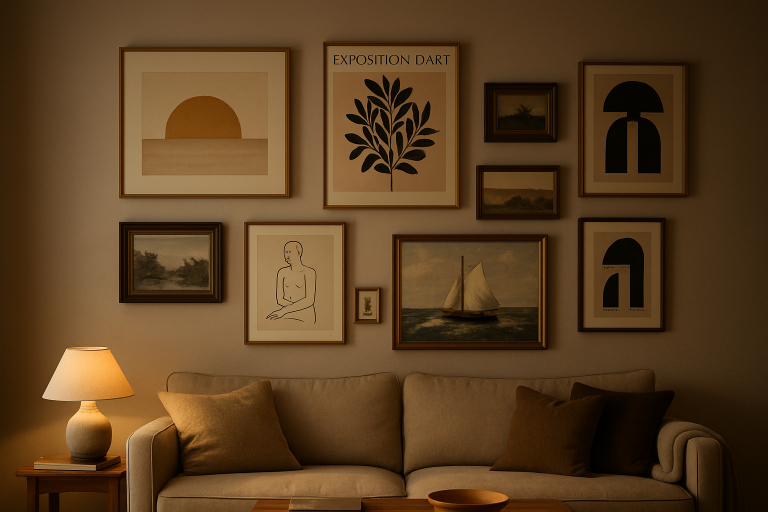
Mixing Mediums and Styles
Blending a variety of artistic mediums—paintings, prints, sculptures, textiles—adds interest and depth to your display. Mixing different genres and periods can make an art collection more dynamic and visually stimulating. Pairing modern prints with vintage photography or integrating three-dimensional works like ceramics or baskets can turn blank walls into points of discovery and conversation throughout your home.
Creating Gallery Walls
A gallery wall offers a creative way to display a collection of artworks together, serving as a dramatic focal point in dining rooms, staircases, or entryways. Use matching frames or a unifying color palette for harmony, or mix shapes and sizes for a more relaxed, collected vibe. Before hanging, lay all pieces out on the floor to refine your layout—try mixing vertical and horizontal works to keep the eye moving. Gallery walls offer flexibility, allowing you to swap in new pieces over time.
Incorporating Art in Unexpected Places
Think beyond predictable spaces—art can add personality to kitchens, bathrooms, laundry rooms, and stairwells. Hallways and the stair riser wall are often overlooked yet can become showcases for tiered arrangements or playful prints. In small spaces, leaners work on shelves or countertops, creating a relaxed, informal effect. The goal is to infuse every corner with beauty and personal meaning, turning utilitarian zones into sources of inspiration.
Maintaining and Updating Your Display
Keep your displays vibrant by regularly dusting frames and glass, and avoid harsh chemicals. Rotating artwork or re-hanging pieces refreshes a space and keeps your home feeling fresh. Update layouts as your collection evolves to reflect your tastes. Seasonal updates or family photos for special occasions let your home tell your changing story. With simple guidelines and creativity, anyone can curate impressive, meaningful art displays. A balance of thoughtful selection, strategic placement, and upkeep showcases your collection, expresses your personality, and elevates daily living.
Final Thoughts
Creating a meaningful and visually engaging art display is a process that blends personal expression with thoughtful design. By choosing pieces that reflect your story, considering size and scale, and arranging artwork with intention, you can transform any room into a curated and inviting space. Proper lighting, framing, and professional support enhance both the look and longevity of your collection. Whether you’re mixing mediums, designing a gallery wall, or placing art in unexpected corners of your home, each decision contributes to a cohesive atmosphere that evolves with your style. With regular maintenance and occasional updates, your art display remains fresh, expressive, and deeply connected to your daily life, enriching your home for years to come.

3 Interesting Benefits of Building Your Home Out of Concrete
3 Parts of Your Home That Need Your Attention

French Country Home Design Trends for 2026
About Author
